
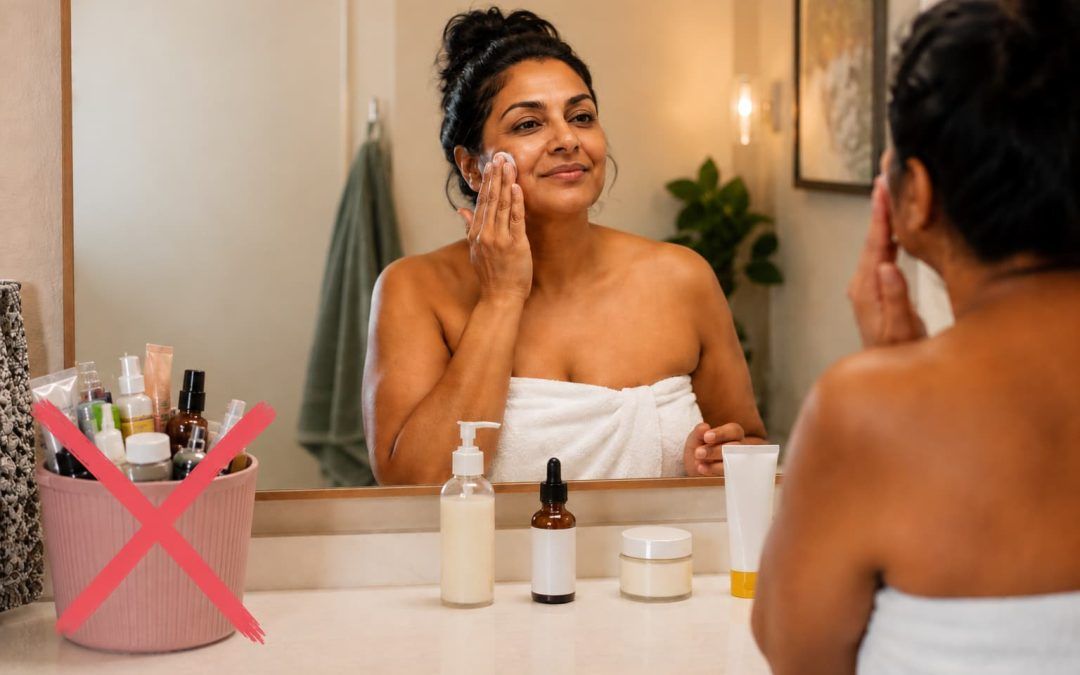
One minute, social media is telling you to slug your face in five layers of product. Next, someone is exfoliating daily with enough acids to strip paint off a wall. Somewhere along the way, skin care stopped being about skin and started feeling like a chemistry experiment gone rogue.
The irony? Most people do not need more products. They need more consistency.
Your Skin Starts Changing Earlier Than You Think
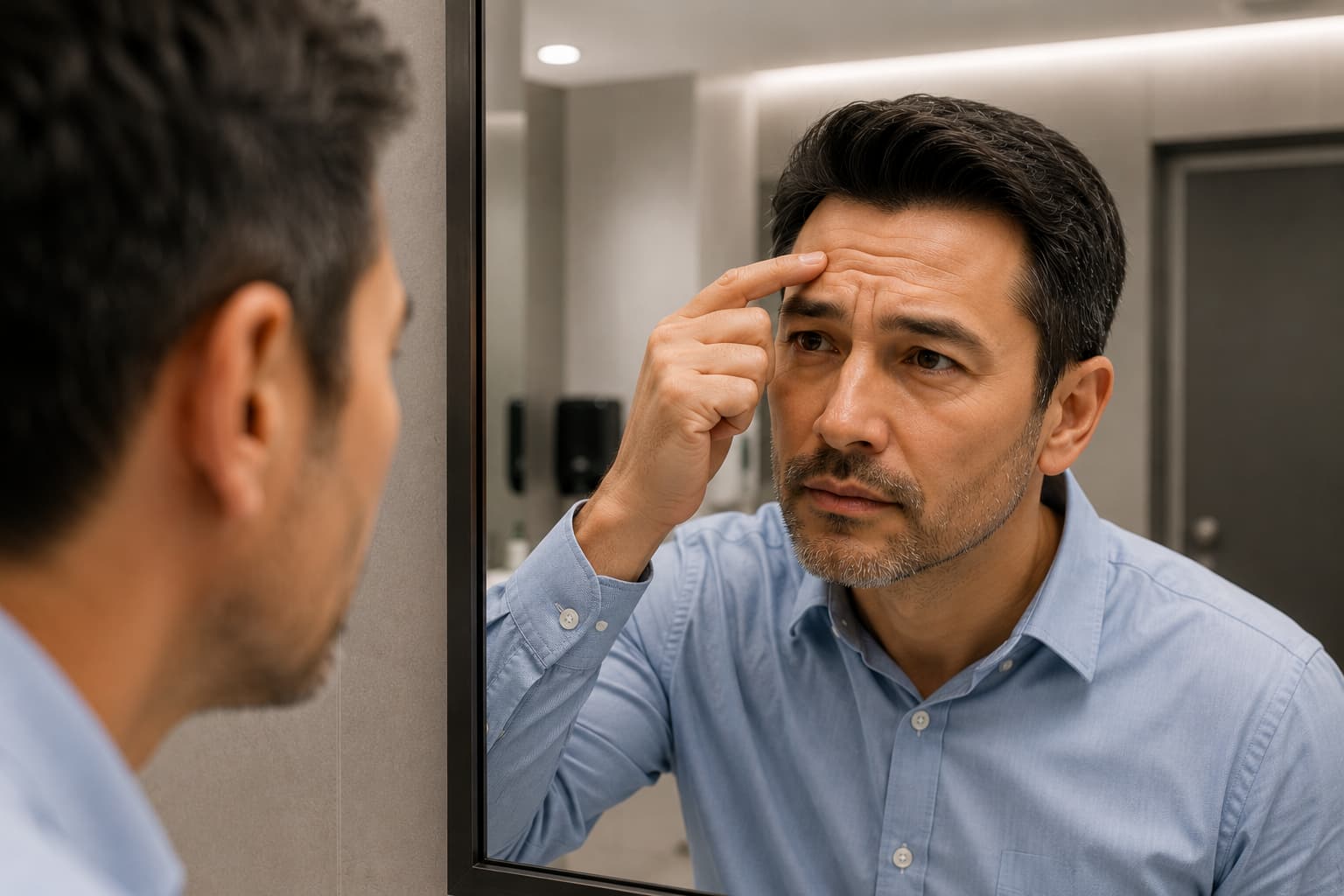
Around the age of 25, skin cell renewal begins to slow down. By your 30s, the slowdown becomes more noticeable.
Fresh skin cells take longer to reach the surface, collagen and elastin production start declining, and the skin loses some of the bounce and tightness it once had naturally.
This gradual slowdown contributes to:
- Fine lines
- Wrinkles
- Dullness
- Uneven texture
- Pigmentation and age spots
- Scars that linger longer
- Loss of firmness
- Enlarged-looking pores
The “scaffolding” beneath your skin, mainly collagen and elastin, also becomes weaker over time. That is why skin can begin to look thinner, less plump, and less resilient with age.
None of this means your skin is on a downward spiral. It simply means it needs support.
That support does not have to come in the form of a cluttered bathroom shelf.
The Biggest Mistake People Make
Most people quit too early.
They buy a trendy ingredient, use it for ten days, get distracted by another product online, then switch routines entirely before the first ingredient even had time to work.
Skin care is not a quick dopamine hit. It is long-term conditioning.
A strong simple skin care routine usually works better than a chaotic collection of products that change every month.
Real results come from:
- Choosing the right active ingredient
- Using it consistently over time
- Supporting it with treatments when needed
- Protecting the skin barrier along the way
That is it.
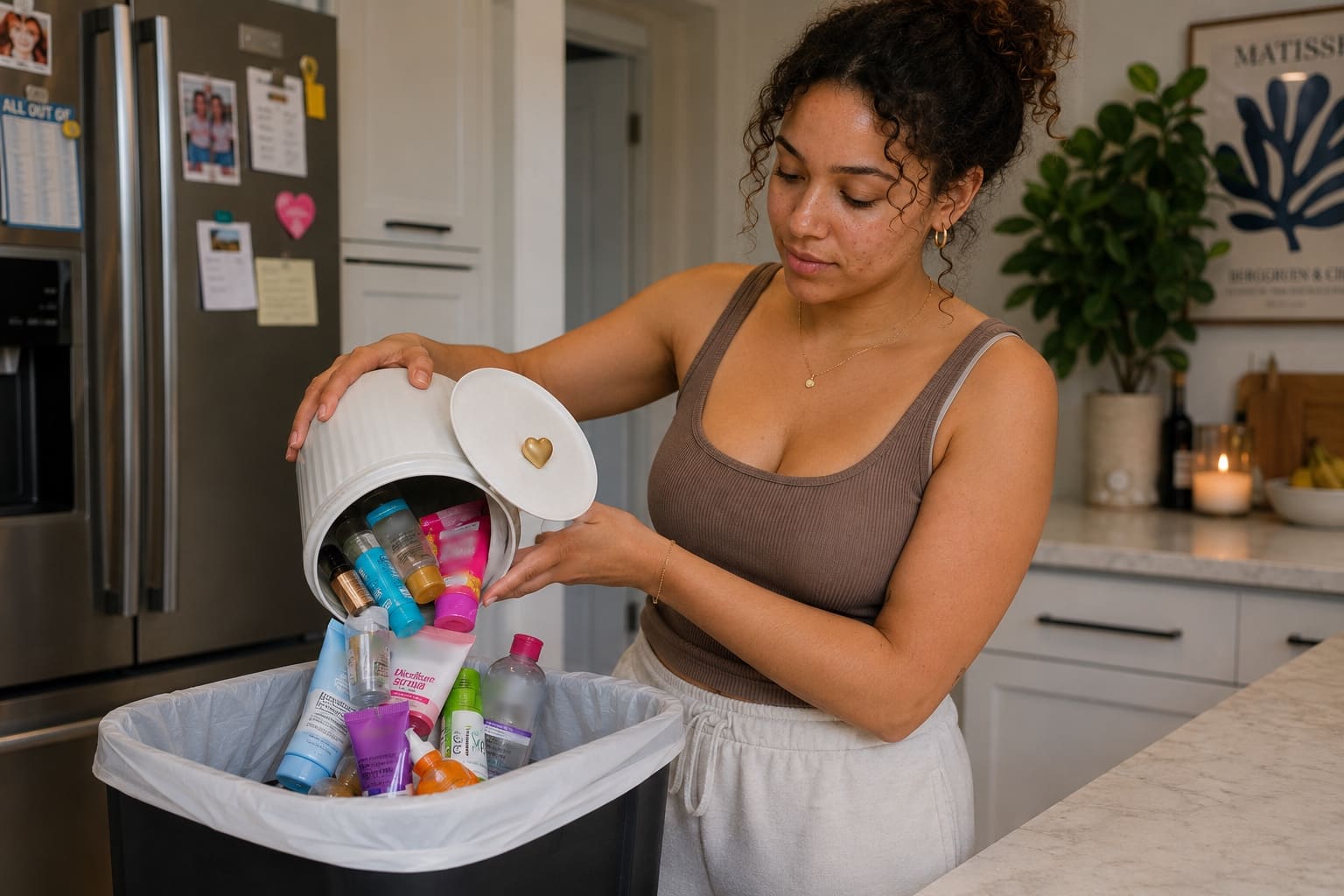
No drawer full of half-used serums required.
Your Skin Does Not Need Everything
It needs the right thing.
That looks different for everyone, which is why talking regularly with a skin care technician matters.
They notice:
- How your skin reacts (seasonally too)
- Whether your pigmentation rebounds easily
- If your acne scars fade slowly
- Whether dehydration or sensitivity keeps returning
- How your skin responds to treatments
That long-term understanding changes everything.
For one person, the ideal active ingredient may revolve around:
- Vitamin C during the day
- Retinol at night
For others:
- Hydroquinone for stubborn pigmentation or
- Glycolic acid for texture and dullness or
- Lactic acid for exfoliation or
- Peptides to support firmness and elasticity
The goal is not perfection. The goal is giving your skin the tools to renew itself more effectively.
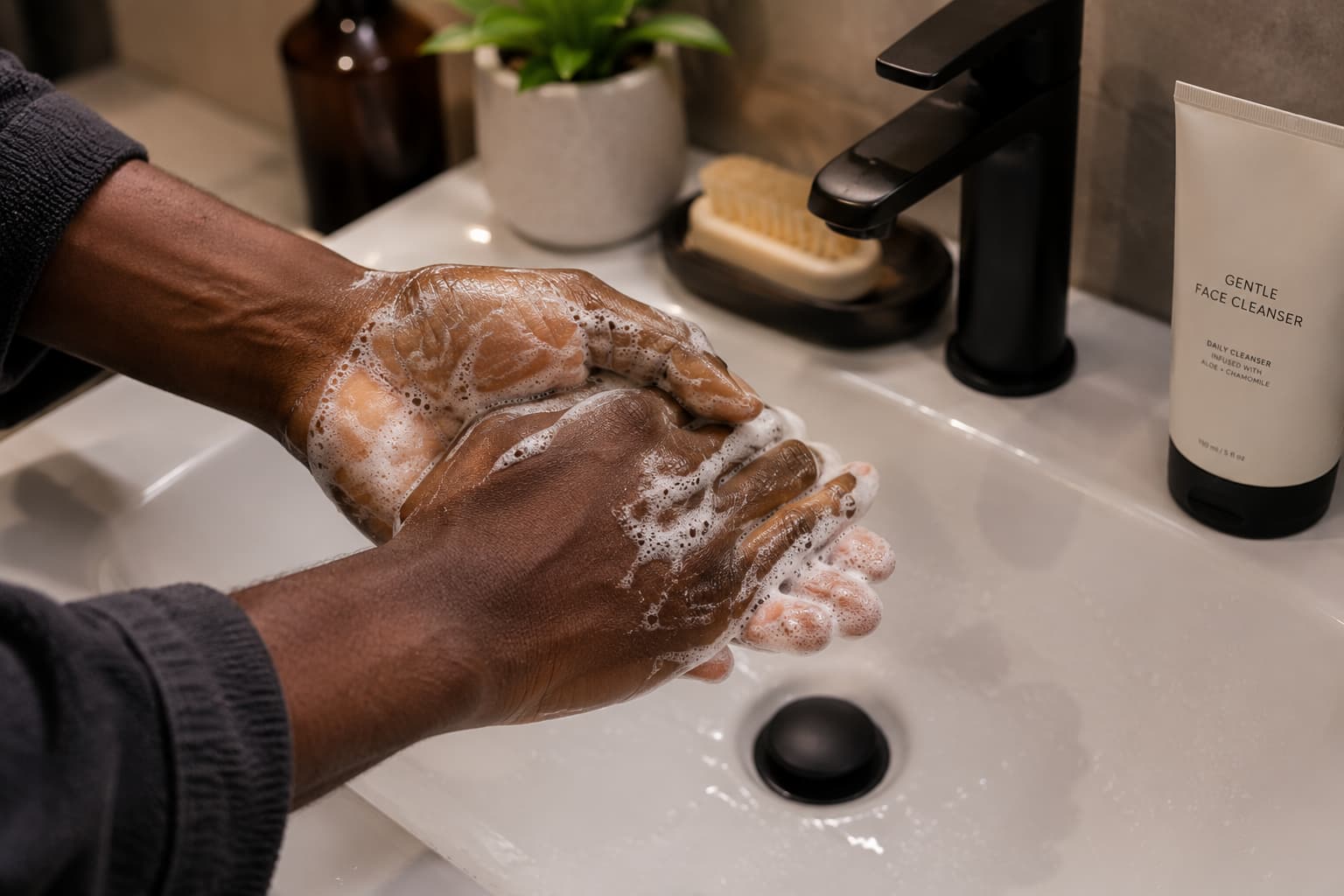
Treatments Should Support Your Routine, Not Replace It
Treatments accelerate results.
Laser treatments, for example, help stimulate collagen and elastin production while encouraging fresher skin cell turnover. This becomes especially valuable after 30, when everything naturally begins slowing down.
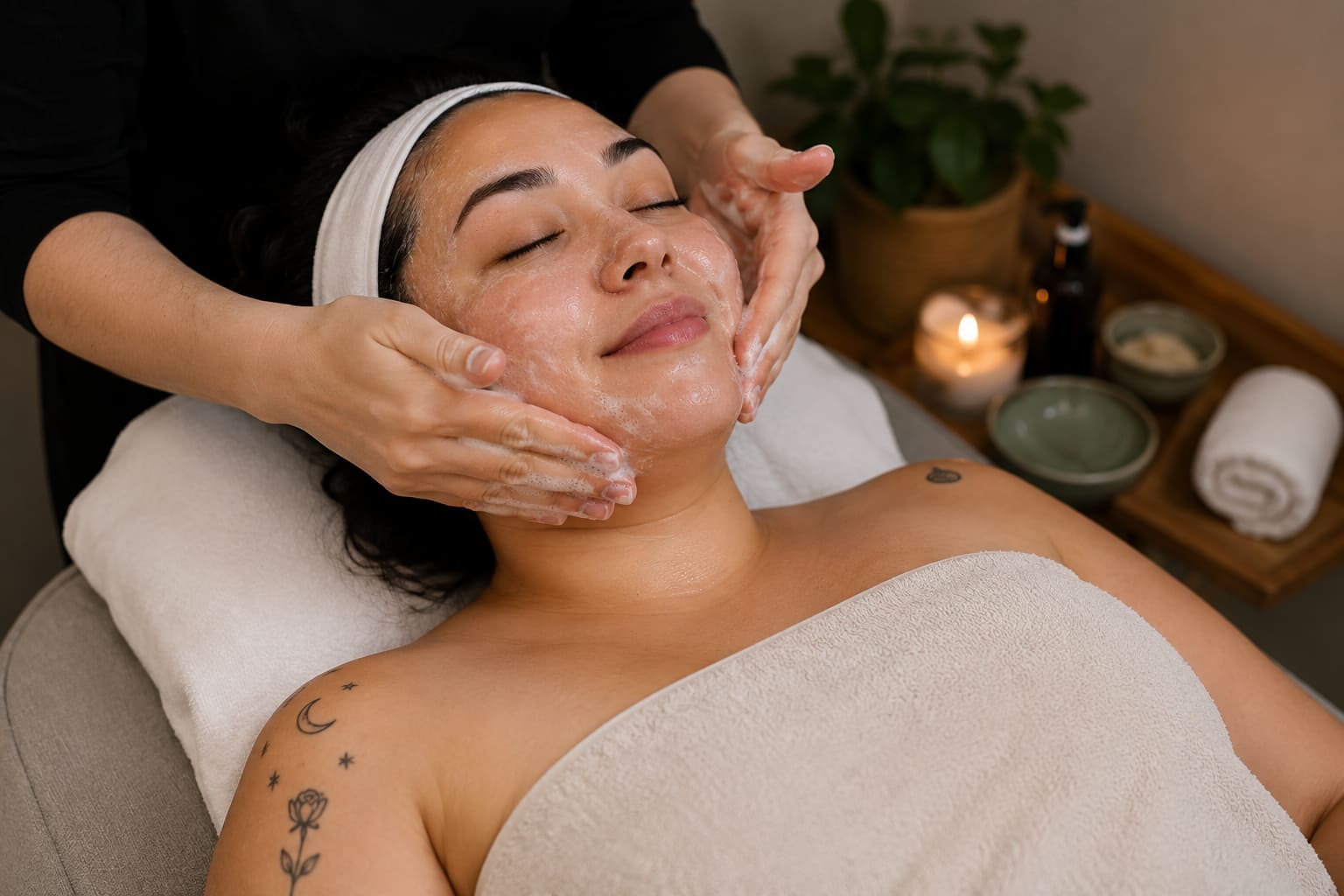
Regular facials also play an important role. Congested pores, dead skin buildup, and surface debris can interfere with how well your products penetrate and perform.
A professional treatment can:
- Refresh skin function
- Improve texture
- Support collagen stimulation
- Help active ingredients work better at home
Still, treatments are not magic on their own.
Your daily habits determine whether those results last.
Your Routine Should Be Boring In The Best Way
This is the part social media rarely glamorizes.
The best routines are often simple enough to become automatic.
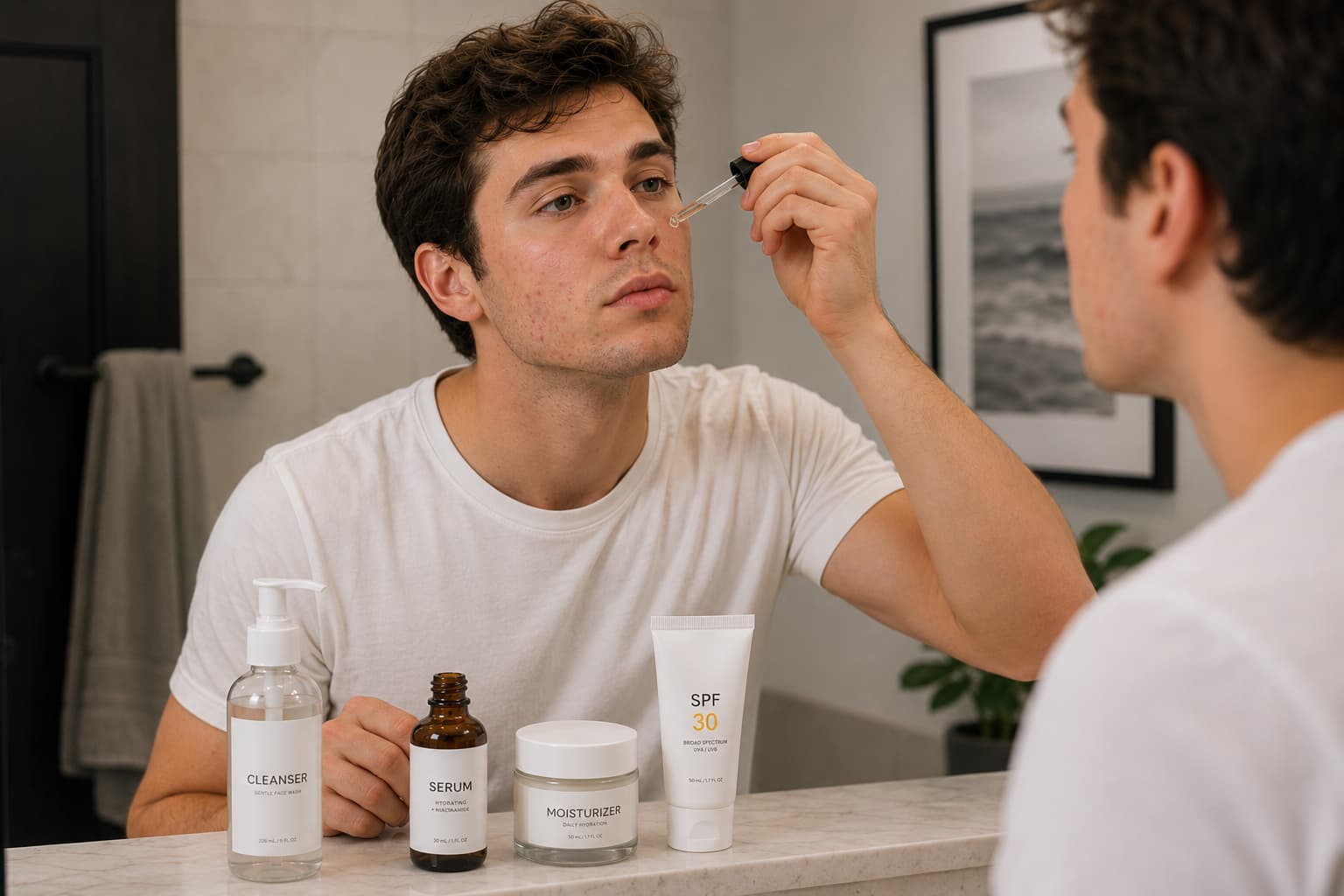
Morning:
- Cleanse
- Apply your targeted ingredient (best in a Vitamin C serum)
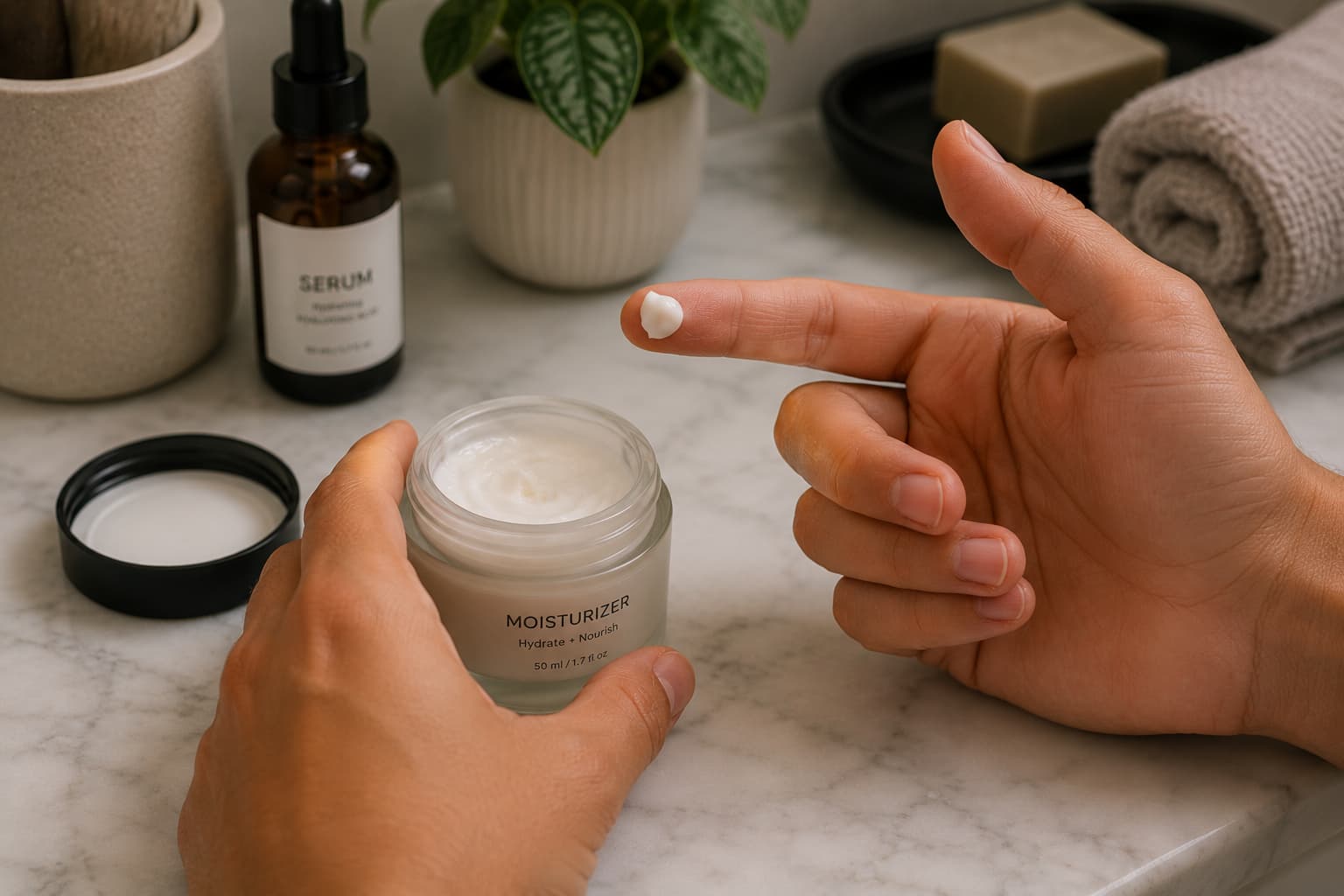
- Moisturize
- SPF
Night:
- Cleanse (some people like to tone after night cleansing)
- Apply your targeted ingredient
- Moisturize
That is it.
You do not need ten steps. You do not need to burn your face off chasing “glass skin.” You need products you will realistically use every day for months and years.
Consistency is what changes skin.
Not intensity.
Why SPF Still Rules Everything
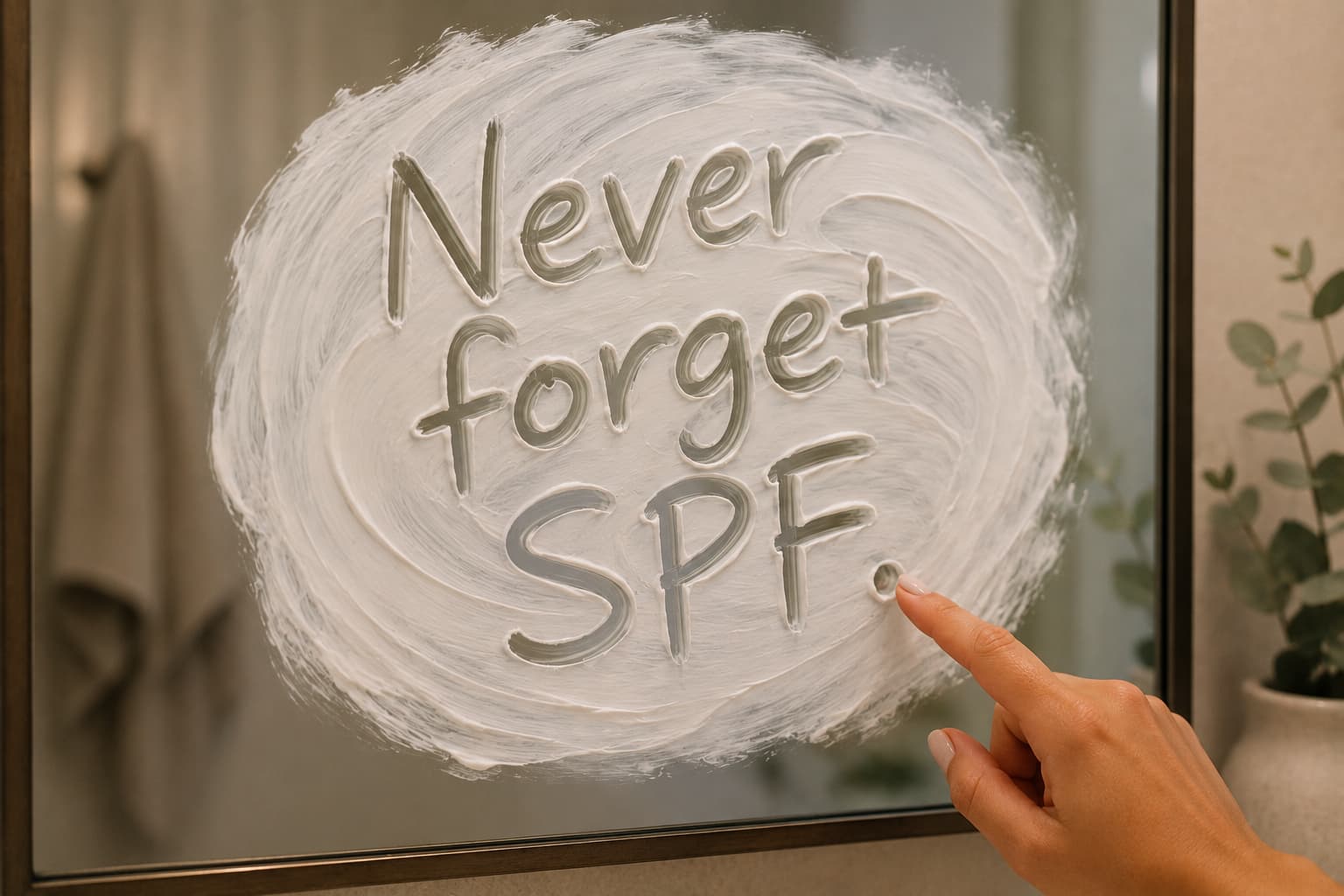
None of this works well without sun protection.
UV exposure speeds up:
- Collagen breakdown
- Pigmentation
- Fine lines
- Elasticity loss
- Skin thinning
Even indirect daylight contributes to cumulative damage over time. The skin remembers years of exposure, not just sunburns.
Daily SPF remains one of the most effective anti-aging tools available. Expensive treatments cannot fully outwork unprotected sun exposure.
Insider Tip: Vitamin C (usually your daytime active ingredient) also helps boost the protective effects of your SPF by defending the skin against environmental stress and oxidative damage, helping preserve collagen and slow visible signs of aging even more effectively.
Stop Chasing Perfect Skin
Perfect skin does not exist offline.
What does exist is healthier skin. Stronger skin. More resilient skin.
That comes from:
- Consistency
- Patience
- The right ingredients
- Smart treatments
- Long-term habits
Not trend hopping.
Your skin does not need to be overwhelmed into behaving. It needs supportive treatments, a simple daily structure, and time.
Ironically, doing less is often what finally allows the skin to start doing more.