

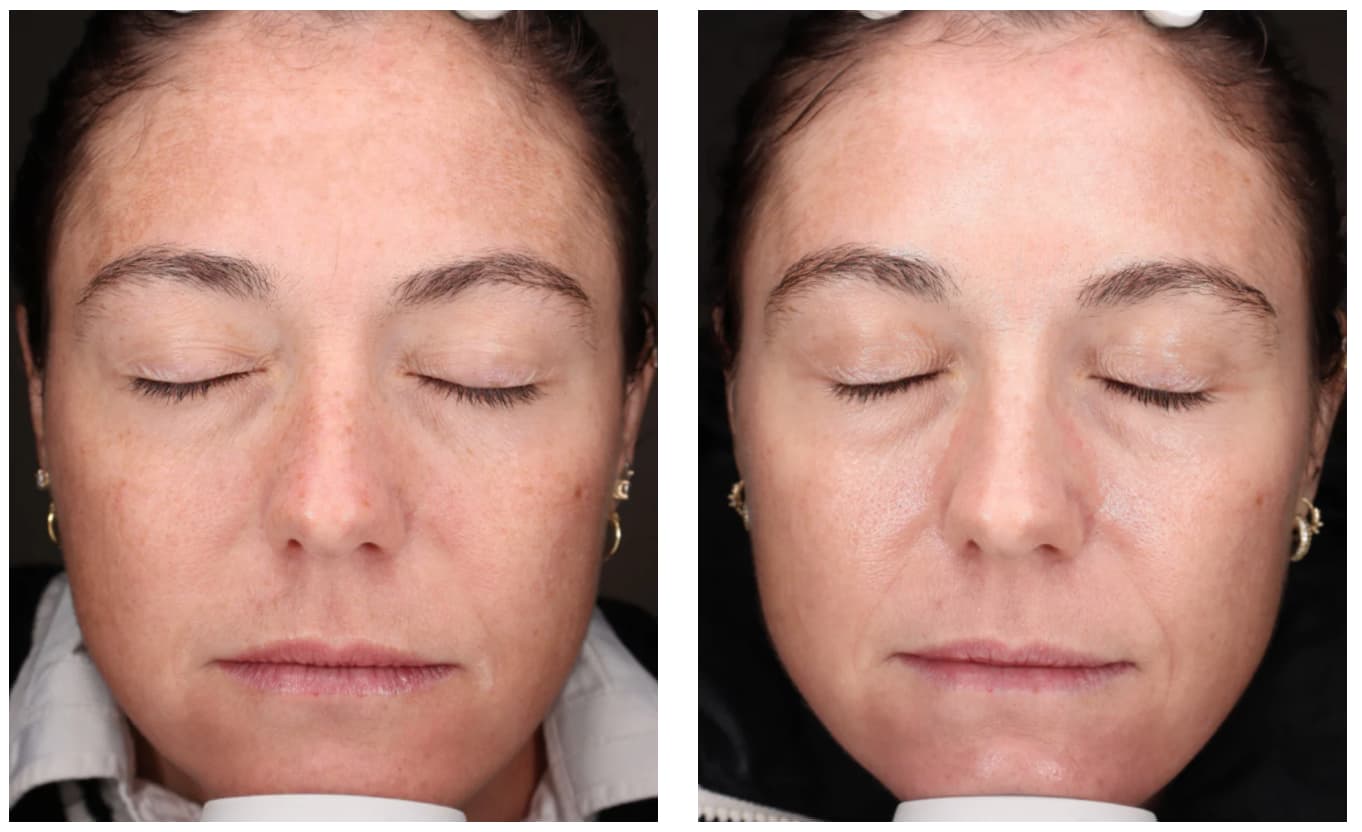
Above: Reduced sun damage after using Vitamin C in Vivier Serum 30 daily for 12 weeks.
Your skin is about to get a lot more daylight than it asked for.
Spring hits, the days stretch, and suddenly your face is clocking more UV exposure before you have even had your second coffee.
Daylight is UV exposure, even when you are not intentionally in the sun: UV rays are present from morning to evening, passing through clouds, windows, and daily activities, meaning your skin is exposed simply by being in natural light.
Keep layering SPF; it’s your first line of defence. But you can start thinking even smarter.
Enter: Vitamin C.
Not as a trend or a maybe. As a daily decision.

The Spring Shift Your Skin Feels Before You Do
Longer days mean:
- More incidental sun exposure
- More oxidative stress
- More opportunity for pigmentation to settle in
Even if you are not laying out in the sun, your skin is still reacting, accumulating damage, and trying to defend itself
This is where Vitamin C earns its place.
It is not just about glow. It is about protection at a cellular level.
And you can start as early as you want as a young adult, although it is never too late to protect and brighten.

Vitamin C Serum Daily And Why SPF Needs Backup
Let’s get one thing straight: SPF is essential. But it could do so much more with a boost.
Sunscreen works by:
- Blocking and filtering UV rays
Vitamin C works by:
- Neutralizing free radicals caused by UV exposure
Together, they form a much stronger defence system.
Think of it like this:
- SPF = your shield
- Vitamin C = your repair and reinforcement system
Without Vitamin C, your skin is still dealing with:
- Environmental stress
- Pollution
- Residual UV damage
When you pair them, you reduce the impact of sun exposure before it turns into visible damage.
This is why using Vitamin C in the morning, under SPF, is one of the most effective habits you can build.
Not All Vitamin C Is The Same. And That Is The Point.
Look for formulas that contain a high dose of L-ascorbic acid USP-grade Vitamin C (8%-30%), paired with targeted actives to address specific skin concerns.
Why does USP matter? Because it refers to pharmaceutical-grade purity and potency. That means:
- More stable formulations
- Better absorption
- More predictable, visible results
In other words, you are not just using Vitamin C.
You are using Vitamin C that actually performs.
Bright Skin Is Not Just A Glow. It Is Controlled Pigmentation.
This is where Vitamin C becomes addictive. Because once you see what it does to your skin tone, there is no going back.
Vitamin C helps:
- Inhibit melanin production
- Fade existing pigmentation
- Even out overall skin tone
This means:
- Fewer brown spots over time
- Less visible sun damage
- A more uniform, brighter complexion
And importantly: It works on post-acne marks too
Those lingering dark spots after breakouts?
Vitamin C helps accelerate their fading, making your skin look clearer even when acne is no longer active.
The Slow Burn Of Aging Skin (And How To Interrupt It)
Did you know? Uneven skin tone is one of the earliest signs of aging. Not wrinkles, and not sagging, but pigmentation.
Over time, without intervention:
- Sun exposure accumulates
- Brown spots become more defined
- Skin tone becomes less even
Vitamin C steps in by:
- Slowing down pigment formation
- Supporting collagen production
- Keeping skin looking fresher, longer
This is not a quick fix, it is a long game ingredient. And that is exactly why daily use matters.
Are Products Enough?
Skincare products do the quiet, consistent work.
They create small changes that build over time. Weeks turn into months. Months turn into years. And that is where real skin quality is shaped.
But if you are looking for visible, faster transformation, products alone are not always enough.
This is where professional treatments come in.
Advanced treatments such as PicoSure laser and IPL photofacials target what products cannot fully reach on their own. They work deeper in the skin to:
-
Break down pigmentation
-
Stimulate collagen
-
Improve overall tone and texture
These are the treatments that create noticeable shifts. The kind people comment on.
Then your at-home routine takes over.
Vitamin C continues the work by:
-
Supporting collagen
-
Brightening and maintaining even tone
-
Fighting daily oxidative stress
And sunscreen protects your results.
Important: Without SPF, everything you just invested in is exposed again to the same damage you were trying to correct.
Think of it this way:
Treatments create the change.
Vitamin C maintains it.
SPF protects it.
Consistency Is Where Most People Get It Wrong
Using Vitamin C occasionally will not do much. It is a cumulative ingredient, which means it works best when:
- Used consistently
- Layered into your routine
- It is given time to build results
This means:
- Morning use under SPF
- Night use under moisturizer to support repair
Not because it is trendy, but because it is effective.
How To Use Your Vitamin C Serum
- After cleansing and patting dry, (or cleansing and toning if you use a toner), apply your Vitamin C serum as the next step in your routine.
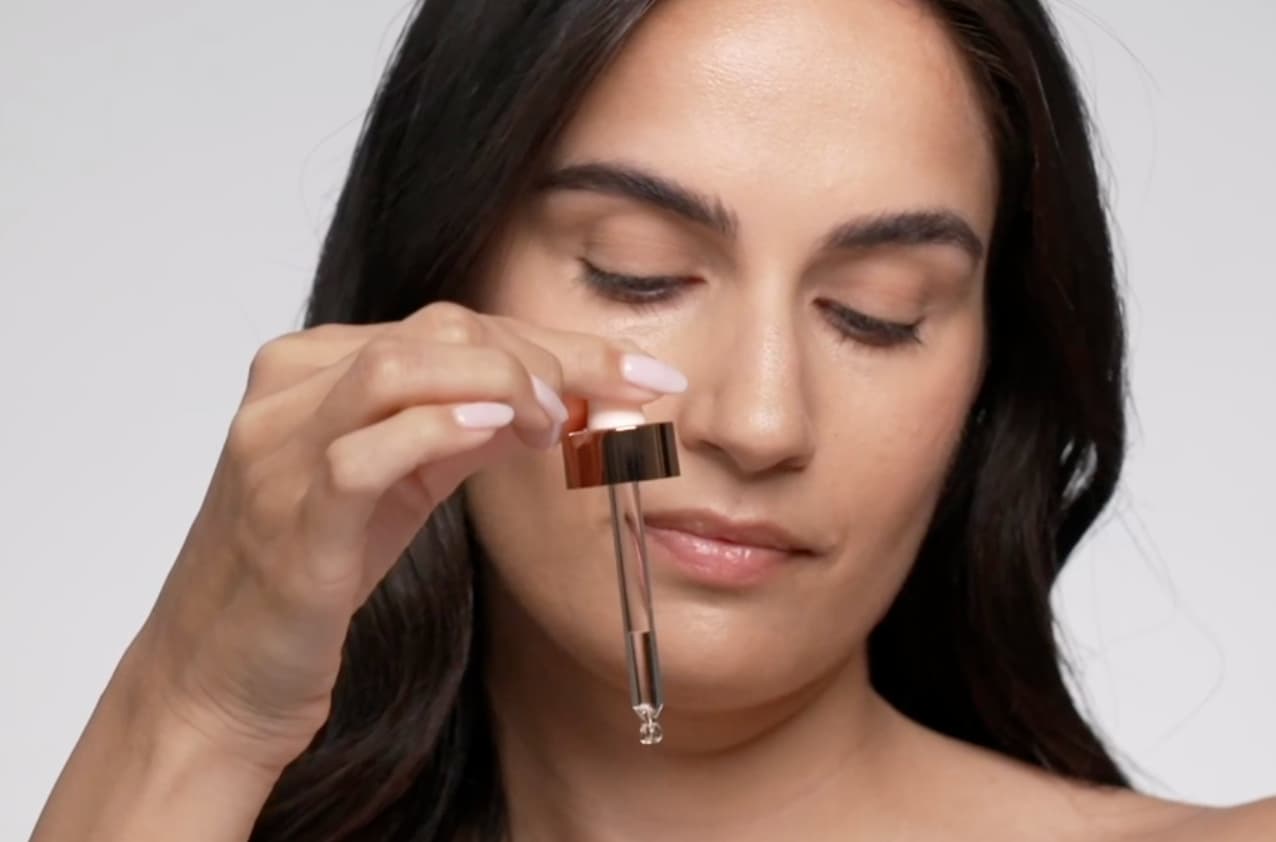
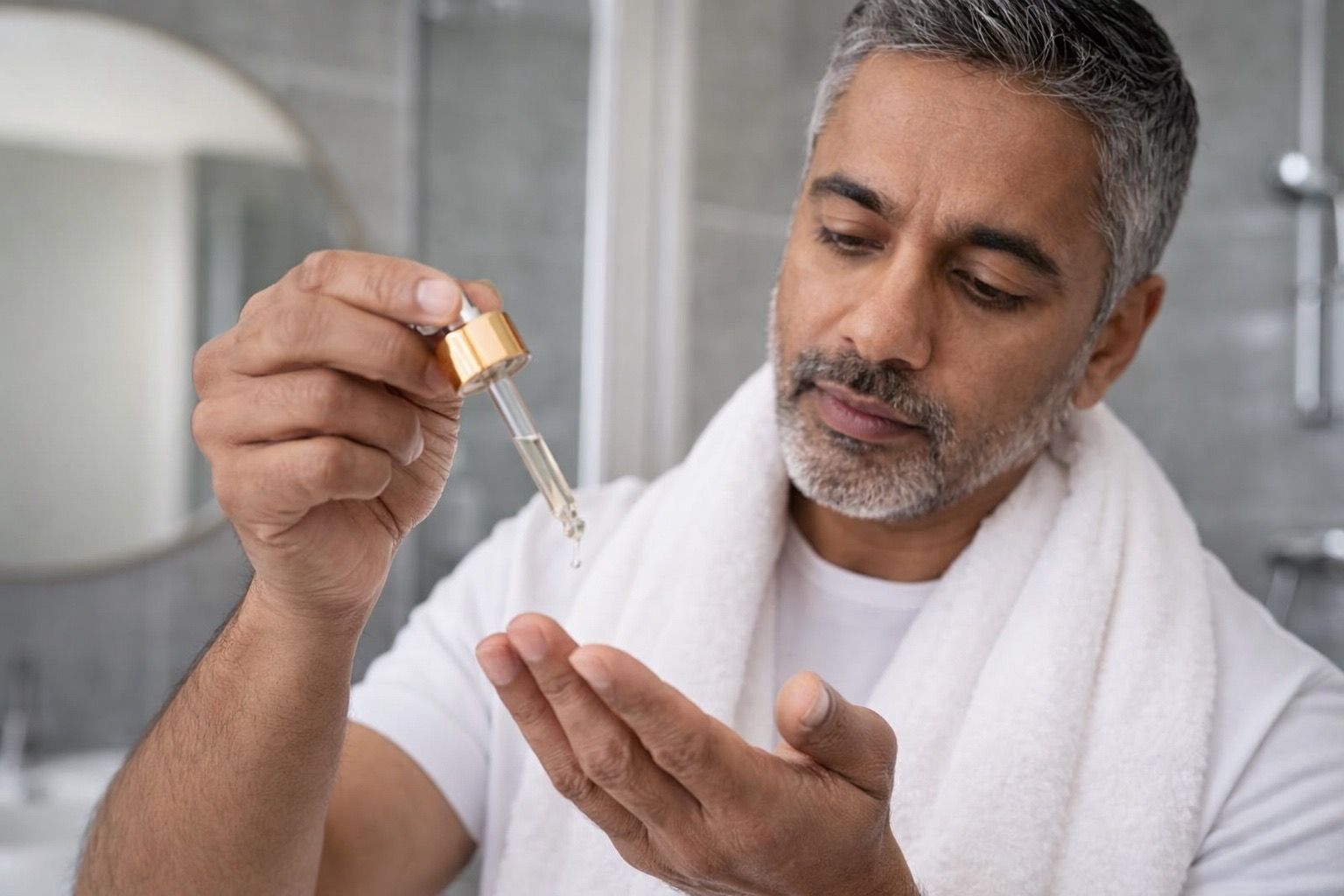
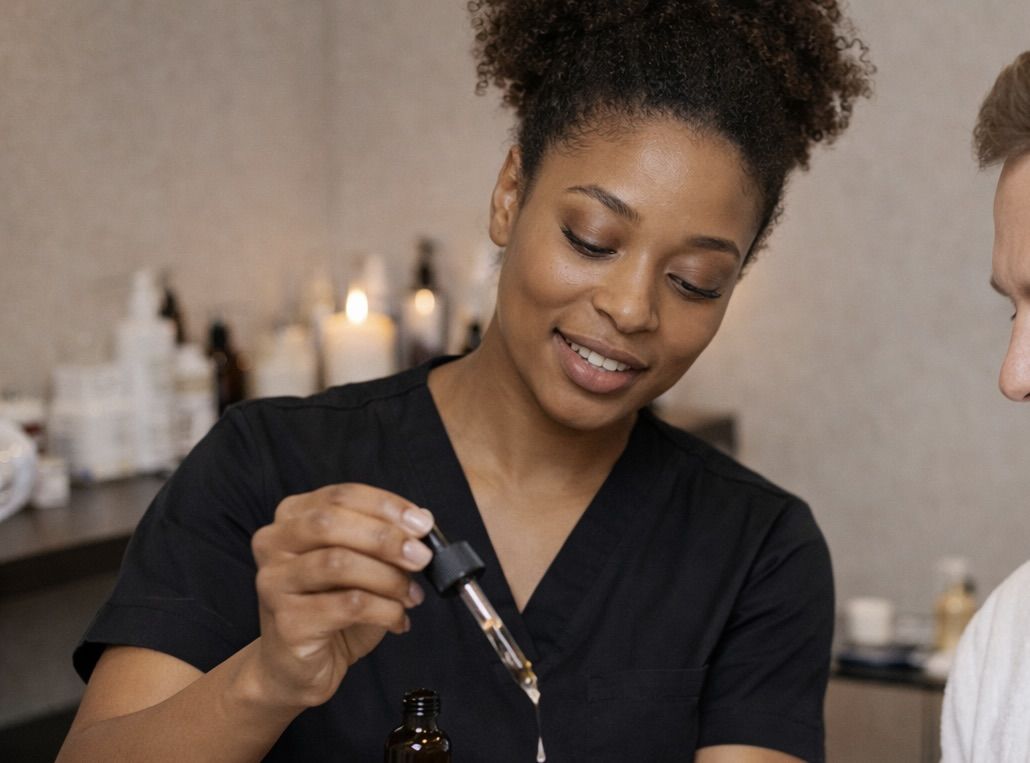
- Using the dropper, dispense 2–3 drops directly onto your face— e.g. one on the forehead and one on each cheek—then gently spread it evenly across the entire face.
- Any remaining product on your fingertips can be applied to your neck the back of your hands.
- Follow with your moisturizer, and if you are using it in the morning, always finish with SPF. Non-negotiable.
Make It A Non-Negotiable Step
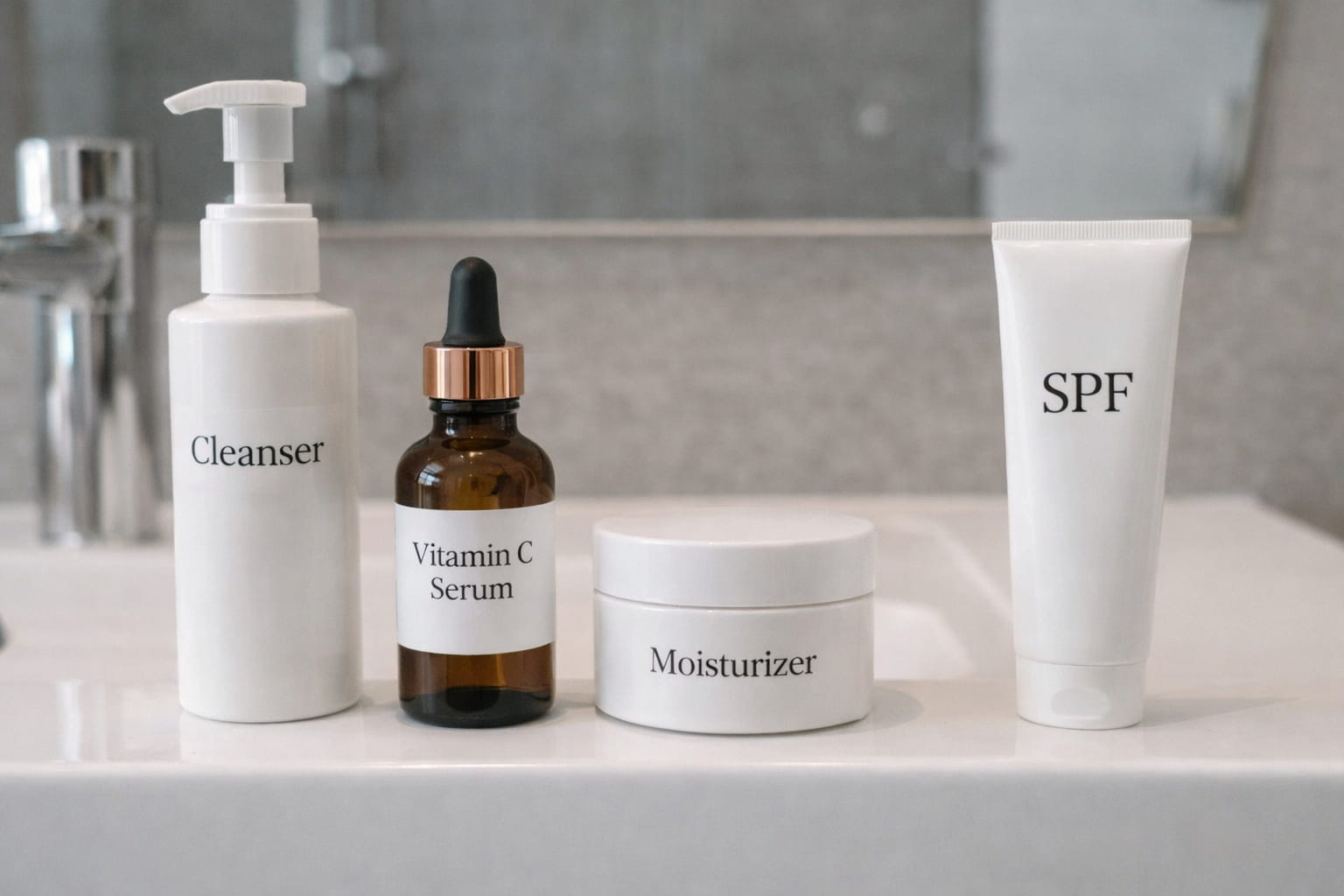
If your day routine currently looks like:
- Cleanser
- Moisturizer
- SPF
You are close.
Adding Vitamin C after your cleanser (or after your toner if you tone after cleansing) takes it from basic to strategic.
It becomes less about reacting to skin issues and more about preventing them.
And prevention is where real skin confidence comes from.
Pick the Best Vitamin C Serum For Your Unique Skin (Made in Canada)
These Vitamin C serums (below) are all formulated with USP-grade L-ascorbic acid, the purest and most bioavailable form of Vitamin C, meaning your skin can actually absorb and use it effectively, with concentrations ranging from approximately 8% to 30% depending on your skin goals, from gentle prevention to advanced correction.
In addition, each formula includes a targeted supporting ingredient designed to address specific skin concerns, allowing you to customize your results beyond Vitamin C alone:
- Serum 10: New to Vitamin C or have sensitive skin
→ Gentle brightening and prevention
Key Supporting Ingredient: Ferulic Acid
Helps stabilize Vitamin C and enhances antioxidant protection while keeping the formula gentle on the skin.
- Serum 30: You want stronger correction
→ Fine lines, texture, early aging
Key Ingredient: 30% (High Potency) Vitamin C
The highest Vitamin C concentration designed to deliver visible results, helping to smooth texture, refine the look of fine lines, and support collagen for firmer, more resilient skin
- GrenzCine Serum: Aging and thinning skin
→ Firms, strengthens, supports skin structure
Key Supporting Ingredient: Polyamine Growth Factors
Helps reinforce skin density and resilience, making it ideal for fragile or thinning skin.
- Radiance Serum: Dull, uneven tone
→ Brightens and boosts glow
Key Supporting Ingredient: Arbutin
Targets uneven pigmentation and helps promote a more luminous, even complexion.
- Advanced Skin Lightening Serum: Pigmentation, melasma, dark spots
→ Targets discoloration and evens tone
Key Supporting Ingredient: Hydroquinone
Helps reduce stubborn pigmentation while gently resurfacing for clearer, more even skin.
- C E Peptides: Aging and loss of firmness
→ Collagen support and smoothing
Key Supporting Ingredient: Peptides
Support collagen production and help improve skin elasticity and firmness over time.
- Kine-C: Oilier or acne-prone skin
→ Lightweight antioxidant protection
Key Supporting Ingredient: Salicylic Acid (BHA)
Helps keep pores clear and supports acne-prone skin without compromising antioxidant benefits.
- Quintiserum: All-in-one anti-aging
→ Hydration, firmness, overall skin health
Key Supporting Ingredient: Hyaluronic Acid
Delivers deep hydration while supporting plumpness and overall skin vitality.
The takeaway?
Same powerhouse Vitamin C.
Different targeted results.
The right serum is the difference between maintaining your skin and actually changing it.
What To Expect When You Actually Commit
When used consistently, Vitamin C can lead to:
- Brighter, more even skin tone
- Reduced appearance of dark spots
- Improved overall skin clarity
- A more resilient response to sun exposure
It is subtle at first.
Then one day, you notice: Your skin just looks better
Less dull. Less uneven. More alive.

So, do you seriously need to consider Vitamin C daily?
If you are:
- Exposed to daylight
- Concerned about pigmentation
- Interested in long-term skin health
Then yes.
Spring is not just a seasonal shift. It is a signal.
Your skin is entering a higher exposure phase. What you do now determines what shows up later.
SPF protects.
Vitamin C strengthens.
And together, they set your skin up to handle everything that comes with brighter days.
Start now. Stay consistent. Let your skin keep up.