
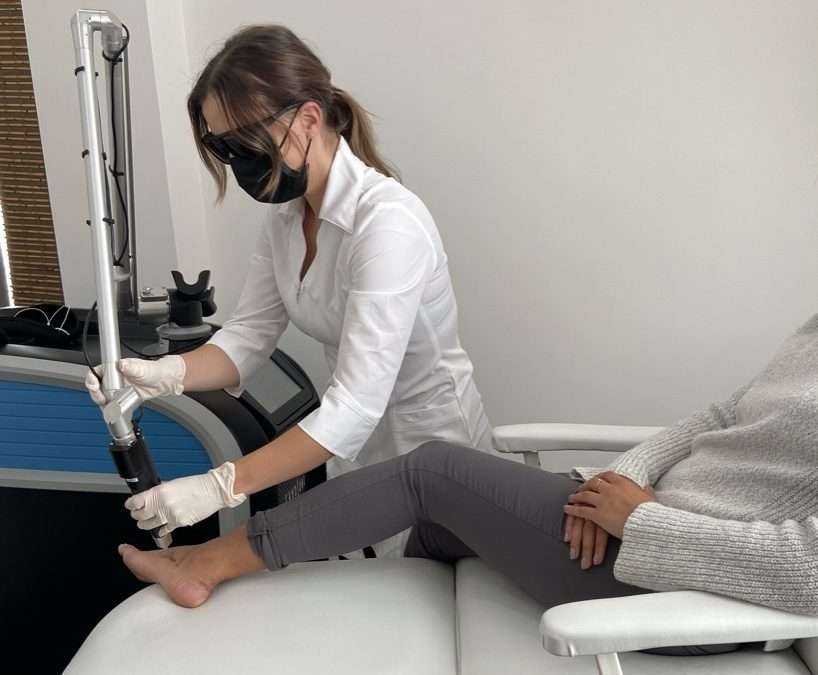
Regret can be permanent. Tattoos are not.
That shift in thinking has changed everything. What once felt like a lifelong commitment can now be faded, softened, or fully removed with the right technology. The rise of laser treatments has turned tattoo removal into a precise, controlled process rather than a gamble.
Still, not all removals are equal. The difference lies in how the ink is broken down, how the skin responds, and how well the process is managed over time.

How Tattoo Ink Actually Sits In Your Skin
A tattoo does not live on the surface. Ink is placed deep in the dermis, below the layer that constantly renews itself. That is why tattoos stay vibrant for years.
Your body recognizes the ink as foreign but cannot easily remove it. The particles are too large. They sit there, stable, unchanged.
Laser removal changes that dynamic.
Instead of trying to pull ink out, it breaks it apart.

The Science Behind Laser Removal
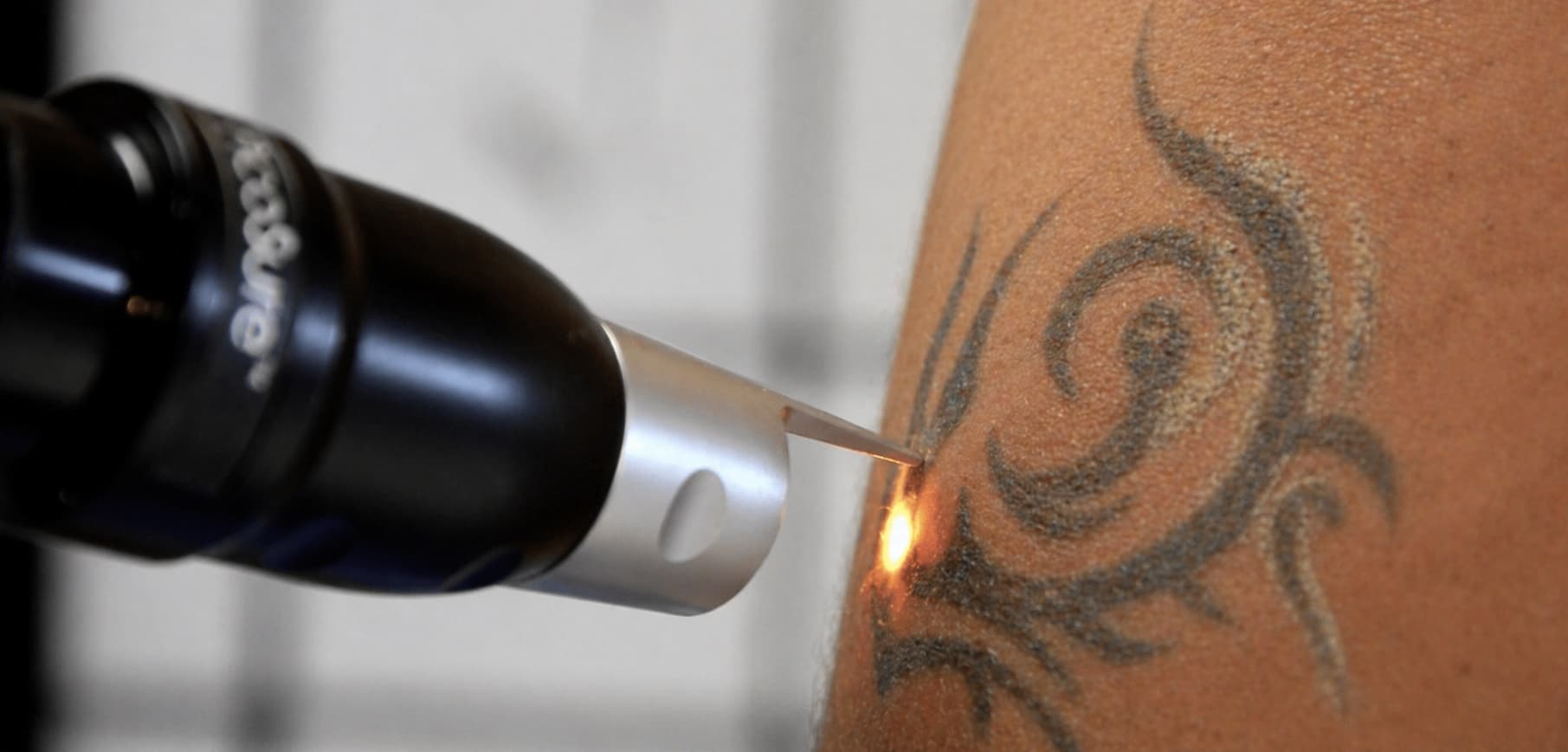
Laser tattoo removal with PicoSure laser works by delivering short bursts of energy into the skin. These pulses target the pigment without damaging the surrounding tissue when performed correctly.
The energy shatters the ink into smaller fragments. Once broken down, your body can begin clearing it away naturally through the lymphatic system.
Think of it as turning a large rock into sand. The smaller the particles, the easier they are to carry away.
Different wavelengths target different colours. This matters more than most people realize.
- Black absorbs all wavelengths and is usually the easiest to remove
- Red and orange respond well to specific wavelengths
- Blues and greens can be more resistant and require advanced technology
The process is gradual. Ink fades over a series of sessions rather than disappearing overnight.

What Makes Modern Removal More Effective
Older methods often relied on heat-heavy lasers that increased the risk of scarring or uneven results. Modern picosecond systems (such as PicoSure Laser) focus on speed and precision.
Shorter pulse durations allow energy to hit the ink before it spreads into surrounding tissue. This reduces damage and improves how effectively the pigment breaks apart.
This evolution is what makes Laser Tattoo Removal Winnipeg treatments more predictable today than they were even a decade ago.
Precision matters. So does timing between sessions.

Laser Tattoo Removal Winnipeg: What To Expect From The Process
Tattoo removal is not a one-time appointment. It is a series.
Each session breaks down more pigment. Your body then needs time to process and eliminate the fragments. Rushing this step does not improve results. It can actually slow them down.
Several factors influence how quickly a tattoo fades:
- Ink depth and density
- Colour composition
- Age of the tattoo
- Location on the body
- Individual immune response
Areas with better circulation, such as the upper body, often clear faster than lower extremities.
A typical process involves:
- Multiple sessions spaced several weeks apart
- Gradual lightening after each treatment
- Continued fading between sessions
Patience is part of the outcome.

Recovery & Realistic Expectations
Laser tattoo removal is often compared to the feeling of a rubber band snapping against the skin. Discomfort varies depending on the location and size of the tattoo.
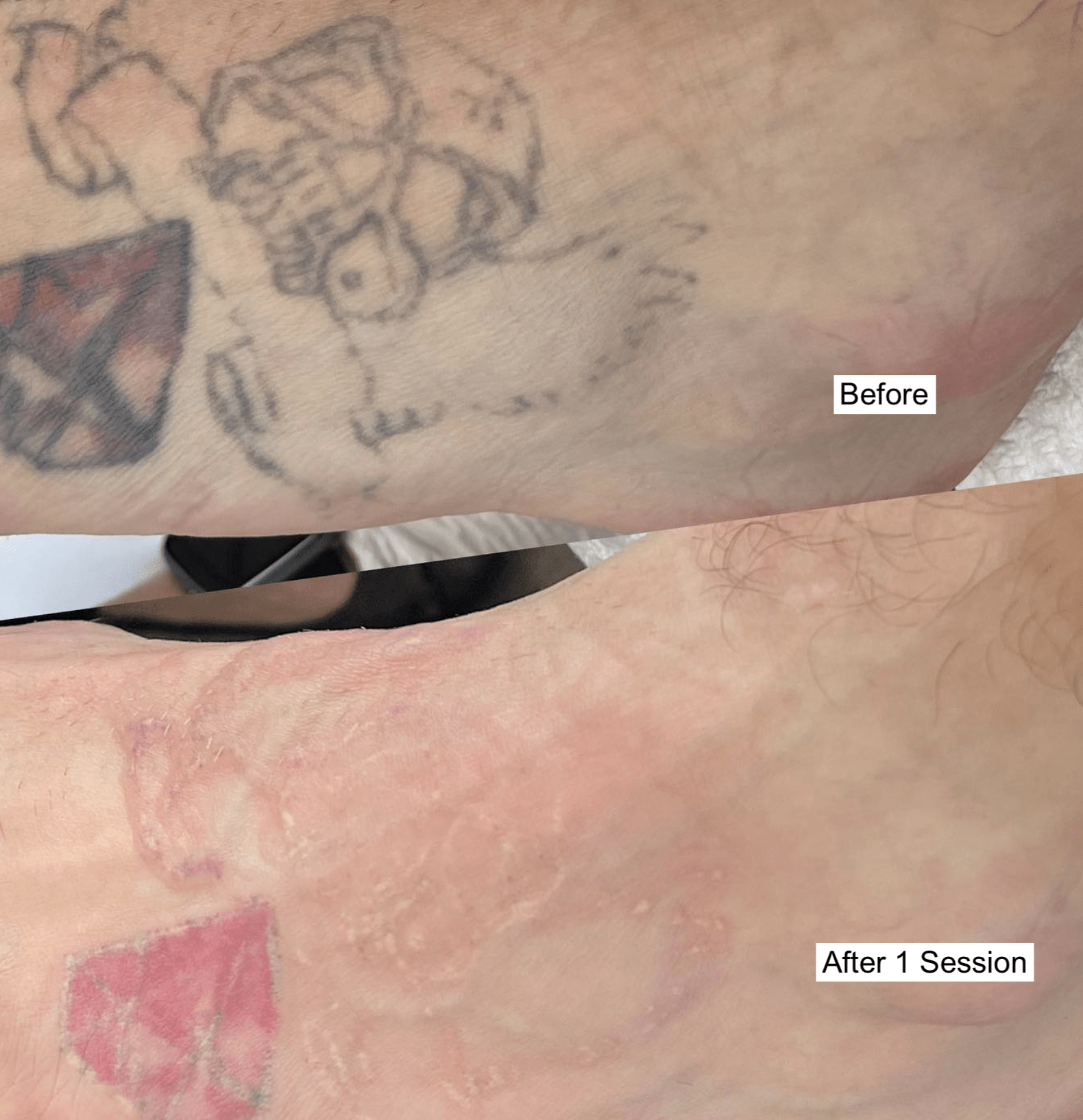
After a session, the skin may show:
- Redness
- Mild swelling
- Temporary whitening of the treated area
These reactions are normal. They indicate that the treatment has reached the ink and triggered a response.
Healing is straightforward when proper aftercare is followed. Skin should be kept clean, protected, and out of direct sun exposure.
Complete removal is possible in many cases. Some tattoos fade to the point where they are barely visible. Others may leave a faint shadow, depending on the ink and skin response.
Why Some Tattoos Are Harder To Remove
Not all ink behaves the same way.
Professional tattoos often sit deeper and use more complex pigments. Amateur tattoos may be easier to remove but can still vary in depth.
Colour plays a major role. Black ink responds quickly. Lighter colours require more sessions.
Layering adds another challenge. Cover-up tattoos contain multiple layers of pigment, which means more work is needed to break everything down.
Even the body’s own response differs from person to person. Strong circulation and a healthy immune system support faster clearing.
The Role Of Your Body In The Outcome
Laser treatment does not remove ink on its own. Your body does the final work.
Once the pigment is fragmented, your lymphatic system carries it away over time. This is why spacing between sessions matters. It allows your system to process what has already been treated.
Lifestyle factors can influence results:
- Hydration supports circulation
- Regular movement helps lymphatic flow
- Sun protection prevents additional skin stress
The treatment starts the process. Your body finishes it.
A Shift In How We Think About Tattoos
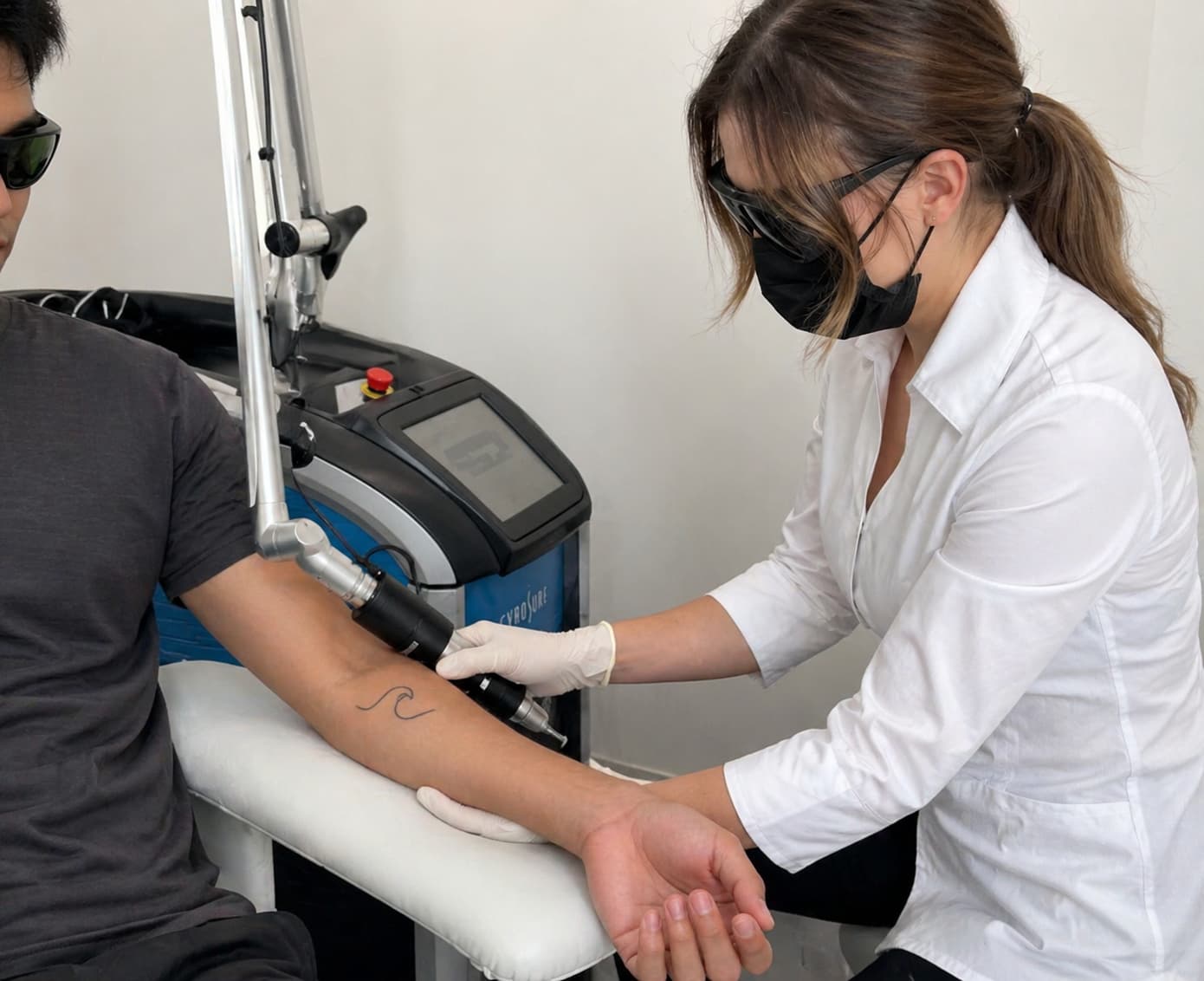
Tattoo removal is no longer about undoing mistakes. It is about flexibility.
People change. Styles evolve. What felt right at one point may not fit anymore. The ability to fade or remove a tattoo creates space for something new, whether that means clear skin or a fresh design.
Modern laser technology makes that shift possible with more control and fewer risks than ever before.
What to Retain
Laser tattoo removal is not instant. It is not effortless. It is, however, effective.
With the right approach, unwanted ink can be significantly reduced or erased altogether. The process relies on precision, patience, and an understanding of how skin and ink interact.
For those considering Laser Tattoo Removal in Winnipeg, the key is not just starting. It is understanding the journey and committing to it.
That is where real results begin.