
As skin changes with time, many people start looking for ways to restore firmness without committing to surgery. Non-surgical skin tightening treatments have become increasingly popular because they offer visible improvement with no downtime and no incisions.
Understanding how these treatments work helps set realistic expectations and makes it easier to decide whether they are right for you.

What Is Radiofrequency Skin Tightening?
Radiofrequency, often called RF, is a proven technology used in medical and esthetic settings for decades. In skin tightening treatments, radiofrequency energy is delivered into the deeper layers of the skin to gently heat the tissue without overheating the top layer of skin.
This controlled heat stimulates collagen and elastin fibres. Collagen is the structural protein that keeps skin firm, while elastin allows skin to snap back into place.
As we age, collagen production slows and existing fibres weaken. Radiofrequency works by tightening existing collagen and triggering the body to produce new collagen over time.
What to Expect During Your RF Treatment
Face
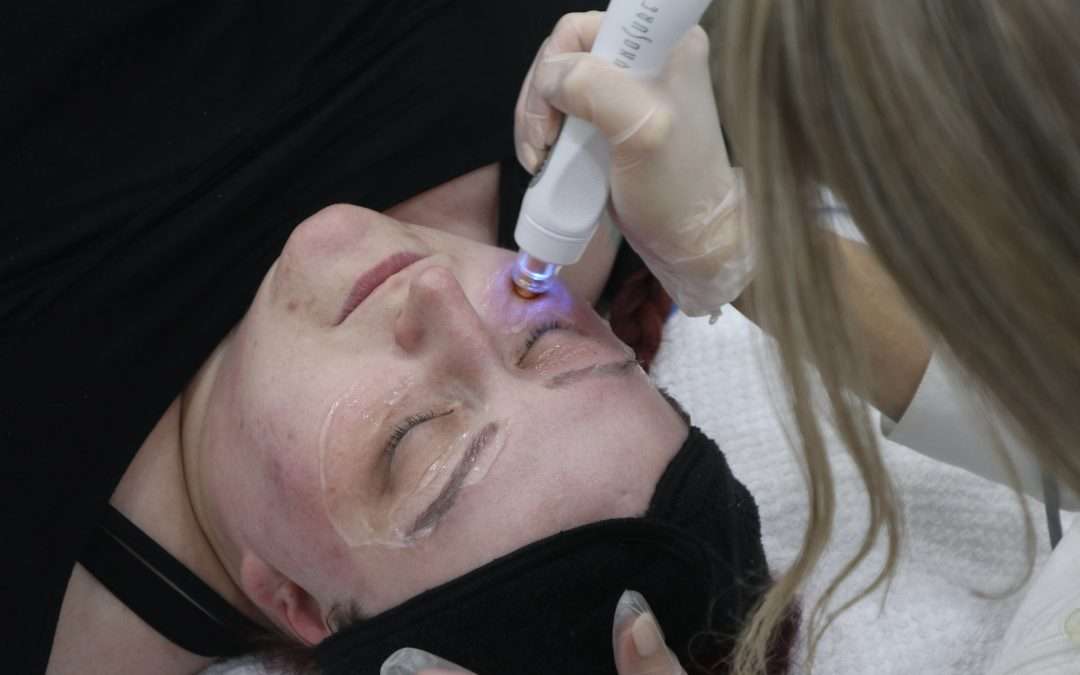
For facial treatments, a hydrating gel is applied to the area being treated, whether that is the full face, jawline and neck, or just the under-eye area for a quick refresh before an event.
A wand connected to the radiofrequency device is then moved across the skin in circular and grid-like motions, delivering energy into the dermis without overheating the upper layer of the skin.
Treatments take about 30 to 60 minutes and are often described as deeply relaxing, similar to a warm stone massage on the face.
Body
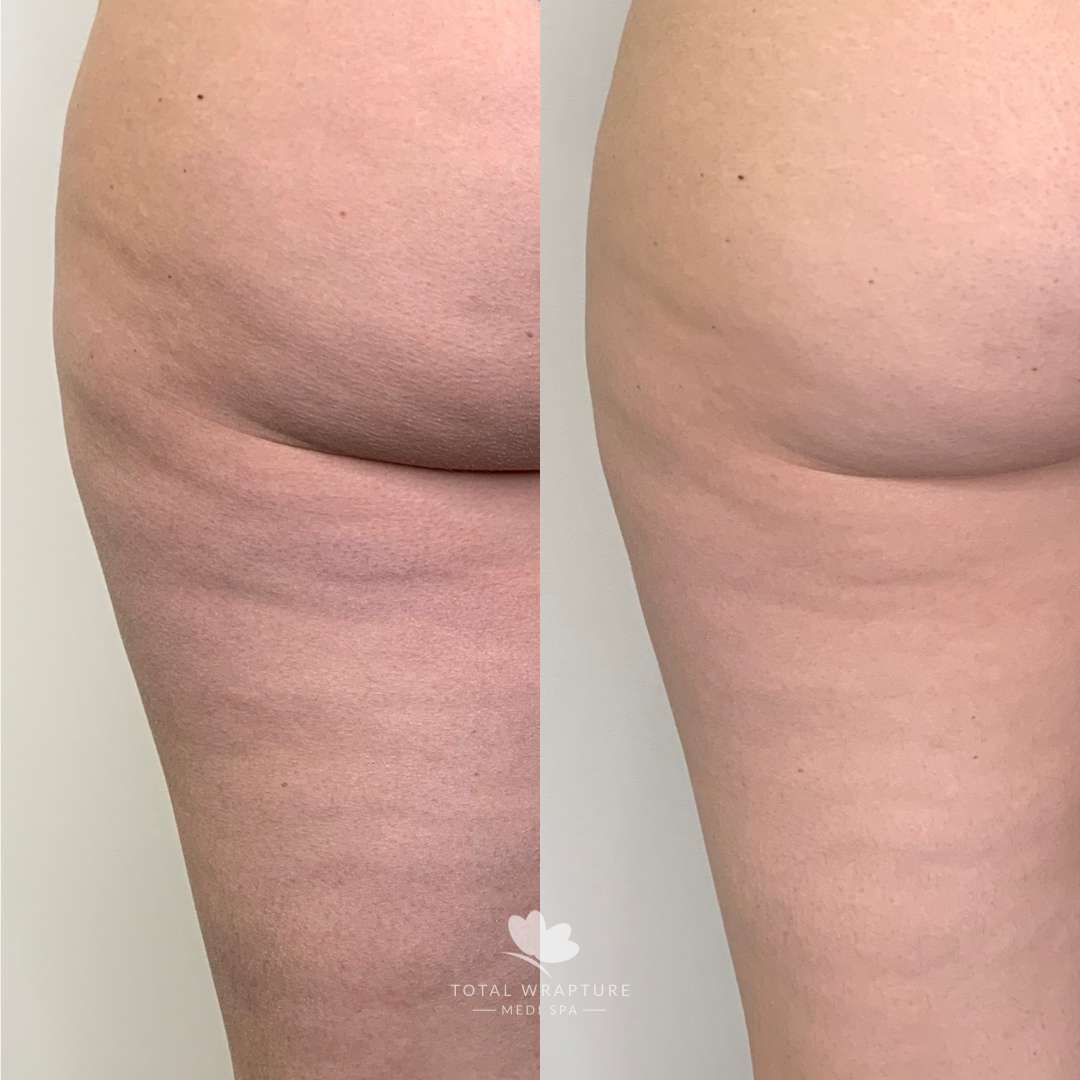
For the body, radiofrequency is delivered using flexible pad-and-stick applicators that contour to your curves, or a specialized handpiece for areas affected by cellulite.
The sensation is warm and massage-like, with mild pinkness that fades within a few hours, allowing people to return to their day right away.
Radiofrequency treatments for the face and body work best as a series rather than a one-off, with three to five sessions recommended. Results build on the last endpoint and continue improving for weeks to months after your last treatment.

The Science Behind How Skin Tightens
When radiofrequency energy heats the dermis, collagen fibres contract. This creates an initial tightening effect that many people notice shortly after treatment.
Over the following weeks, the body responds by producing new collagen, which leads to gradual improvements in firmness, texture, and tone.
This process is why results continue to improve after treatment rather than appearing all at once. It is also why consistency and a treatment plan matter.

What Skin Tightening Does for the Face
On the face, radiofrequency skin tightening is commonly used to:
- Soften early fine lines
- Tighten loose skin around the eyes
- Reduce the appearance of under-eye bags caused by laxity
- Smooth crow’s feet
- Define and refine the jawline
- Improve overall skin firmness and texture
Many people book RF treatments when they start looking tired even after rest, or when makeup no longer sits the way it used to.
The best known RF for the face on the market is Cynosure Lutronic’s TempSure.

What Skin Tightening Does for the Body
On the body, radiofrequency is used to tone and firm areas where skin laxity appears due to aging, weight changes, or pregnancy. Common areas include the abdomen, arms, thighs, and knees, treated using FlexSure RF.
While skin tightening does not replace weight loss or surgical body contouring, it can significantly enhance natural curves by firming the tissue underneath.

Who Skin Tightening Is Best Suited For
Radiofrequency skin tightening is ideal for people experiencing early to moderate skin laxity. For the face and body, the most responsive age range is typically between 30 and 50. At this stage, the skin still has enough collagen-producing capacity to respond strongly to treatment.
That said, age alone does not determine results. People over 50 can still see noticeable improvement, especially in skin texture and firmness.
The key difference is expectation. Deep wrinkles, significant skin folds, or advanced sagging cannot be fully corrected without surgery.
Skin tightening can improve the quality of the skin, but it cannot remove excess skin.

Non-Surgical Versus Surgical Results
It is important to be clear about what non-surgical skin tightening can and cannot do. Radiofrequency treatments refresh, firm, and tone. They do not replicate the dramatic lifting effects of surgical facelifts or body tucks.
For those who want subtle but visible improvement, without downtime or surgical risk, non-surgical skin tightening is an excellent option. Many clients describe the result as looking more rested, smoother, and tighter rather than completely transformed.

No Downtime, Proven Technology, Visible Results
One of the biggest advantages of radiofrequency treatments is that there is no downtime. Most people return to normal activities immediately after their appointment. Treatments are comfortable, safe for all skin tones, and supported by clinical research.
Clinics offering TempSure or FlexSure RF Skin Tightening in Winnipeg often have extensive before-and-after galleries because results speak best through real outcomes.
The only way to know how your skin will respond is to experience it yourself under professional guidance.
Is it time to try it?
Radiofrequency skin tightening treatments remain a trusted choice because they bridge the gap between non-invasive skin care and surgery. They offer a scientifically supported way to tighten skin, improve texture, and maintain a refreshed appearance over time.
Choose between:
If you want to tone, tighten, and rejuvenate while keeping results natural, RF skin tightening continues to be one of the most effective options available.